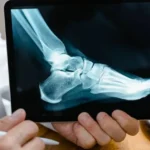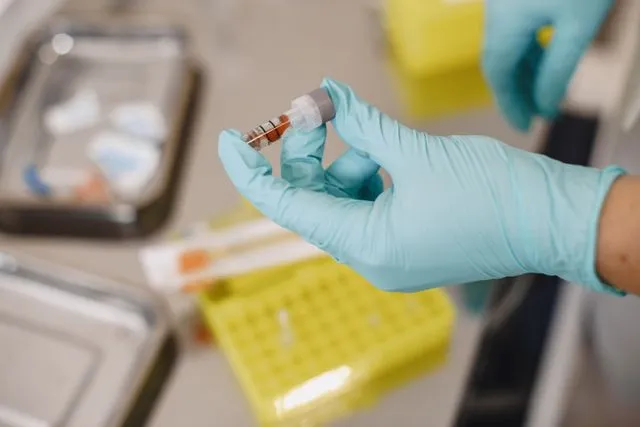
Tendon injuries often take a long time to heal, and even then, pain can persist. Many patients consider regenerative medicine alternatives for treating injured tendons, including platelet-rich plasma (PRP) and stem cell therapy. Importantly, while both are discussed in regenerative medicine, the two treatments are not identical and should not be mistakenly treated as interchangeable.
How Are PRP and Stem Cell Therapy Different?
PRP is prepared from a patient’s own blood and concentrates platelets along with other blood components. Platelets contain signaling proteins involved in tissue repair. Depending on how PRP is prepared, the white blood cell concentration can also differ.
Stem cell-based treatments differ in composition, source, preparation, and regulatory considerations. The evidence also varies considerably depending on the specific product, condition, and treatment protocol. In the United States, the FDA states that stem cell products are not approved for treating orthopedic conditions such as tendonitis.
Which Option Is Better for Tendon Injuries?
There is no universal answer. The best approach depends on the tendon involved, injury severity, symptoms, previous treatment, and available evidence.
For example, Achilles tendonitis treatment can include rehabilitation and load management, while PRP has been studied as an additional option. Recent systematic reviews have not found consistent evidence that PRP provides meaningful benefits over placebo for Achilles tendinopathy, so patients should discuss realistic expectations with a qualified provider.
A careful evaluation can help determine whether regenerative treatment is appropriate or whether conventional rehabilitation should remain the focus.
Life Renewing Stem Cells provides personalized consultations for patients considering regenerative approaches for musculoskeletal conditions.