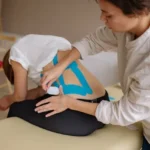


Back pain can affect every part of your life, including sleep, work, recreation, and your ability to do daily tasks. While most cases of back pain can be treated with conservative methods such as physical therapy or pain medication, many patients are now looking into surgical alternatives as well as regenerative treatments. However, neither surgical nor regenerative treatments are right for everyone and often depend on several factors.
When Might Surgery Be Considered?
Surgery can be appropriate when there is significant structural damage, neurological problems, severe symptoms, or a condition unlikely to improve with non-surgical care. A thorough evaluation, imaging, and discussion with a qualified physician can help determine whether an operation is medically necessary.
Regenerative medicine may be discussed for selected patients who want to explore less invasive options. Stem cells for sciatica are an area of interest, particularly when symptoms are connected to inflammation or tissue changes. Still, it should not be presented as a guaranteed way to repair every cause of sciatic pain.
Can Regenerative Treatment Replace Every Surgery?
No, some injuries can be fixed with physical therapy or with surgery, depending on the case. Some meniscus tears can be treated without surgery, while others require it. For example, certain patients may explore a torn meniscus without surgery when the injury, symptoms, and clinical assessment make conservative management reasonable.
The most useful comparison is understanding your diagnosis, available treatments, potential benefits and risks, recovery expectations, and evidence for each option. A personalized evaluation can help you make an informed decision based on your specific condition rather than a general promise.
For patients exploring non-surgical regenerative care, Life Renewing Stem Cells provides personalized consultations and treatment options tailored to individual needs.